






 Uncategorized
The Alto Orinoco expedition by Alexander von Humboldt is a fascinating tale. This journey took place in the 14th century, exploring the wilds of South America.
Alexander von Humboldt, a renowned naturalist, embarked on a six-day adventure in the Alto Orinoco. During this expedition, he encountered diverse wildlife and unique plant species. His observations and discoveries significantly contributed to our understanding of nature. The 14th century was a time of great exploration, and Humboldt’s journey is a testament to human curiosity and the quest for knowledge.
Join us as we delve into the details of this remarkable expedition and uncover the wonders Humboldt witnessed in the heart of the Alto Orinoco.
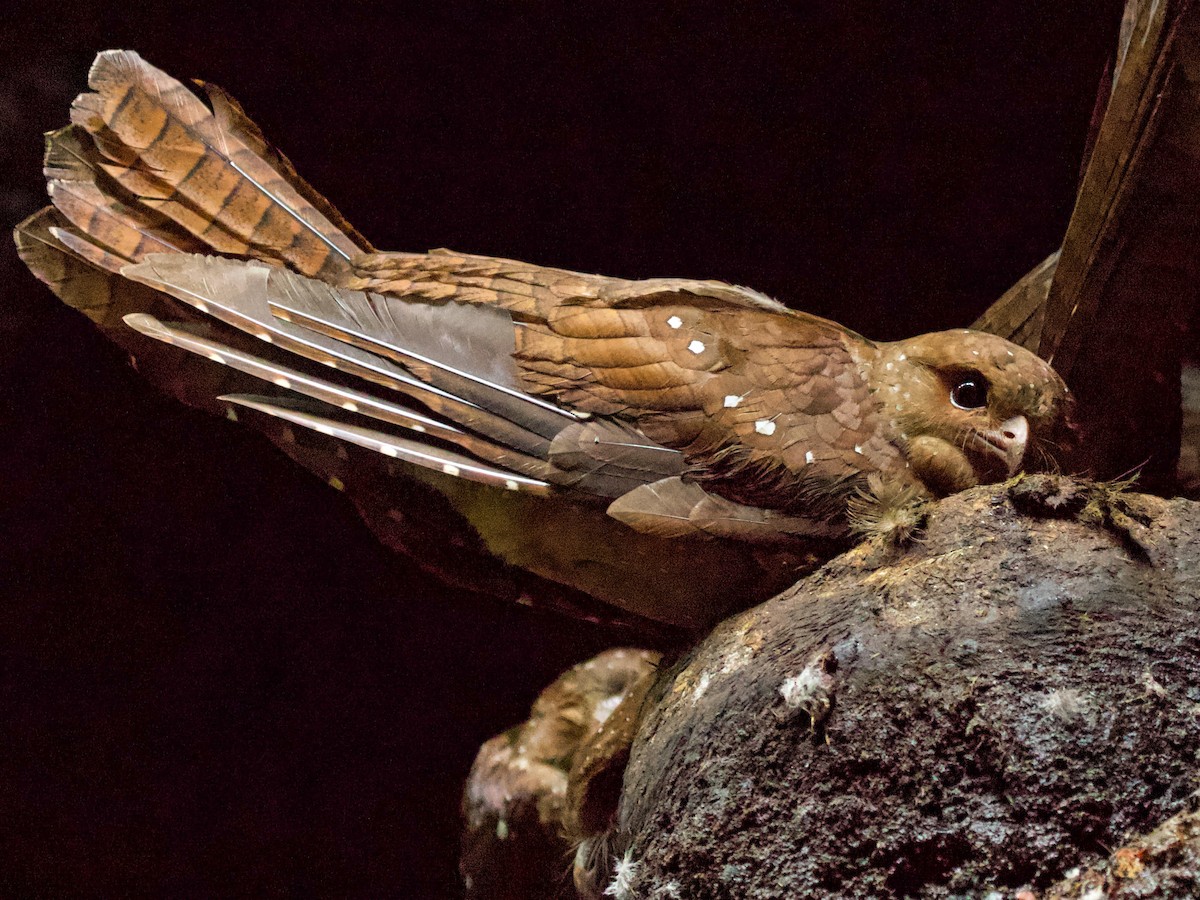
Credit: birdsoftheworld.org
Introduction To The Alto Orinoco Expedition
Alexander Von Humboldt was a great naturalist. He was born in the 18th century. He loved to explore nature. His work helped many scientists. He was famous for his expeditions. He traveled to many places. He studied plants and animals. He also studied geography. His work is still important today.
The journey to Alto Orinoco was to learn about nature. Humboldt wanted to find new species. He also wanted to study the land. He hoped to make new discoveries. He took notes on everything he saw. He wanted to share his findings with the world. This journey was very important to him.
Preparation For The Expedition
Careful planning was needed. Humboldt collected important maps and scientific instruments. These included barometers, thermometers, and compasses. Each tool played a key role. Books and journals from past explorers were also gathered. These resources provided vital information about the terrain and climate.
A strong team was vital. Humboldt selected skilled individuals. His team included botanists, geologists, and cartographers. Each member had special expertise. They packed essential items. The list included food supplies, medicines, and camping gear. Every item had a purpose. This careful preparation ensured their success in the challenging environment.
Day 1: Setting Off
The expedition began at the heart of the Orinoco River. Alexander von Humboldt and his team were eager. The boat was packed with supplies. The river’s current was strong. Trees lined the banks, creating a green wall. Birds flew overhead. The team felt excited and ready.
Humboldt noted the wildlife. Monkeys swung from tree to tree. Colorful birds sang loudly. The air was humid and warm. The team saw many plants. Some were new to them. They took notes and samples. Every detail was important for their study.
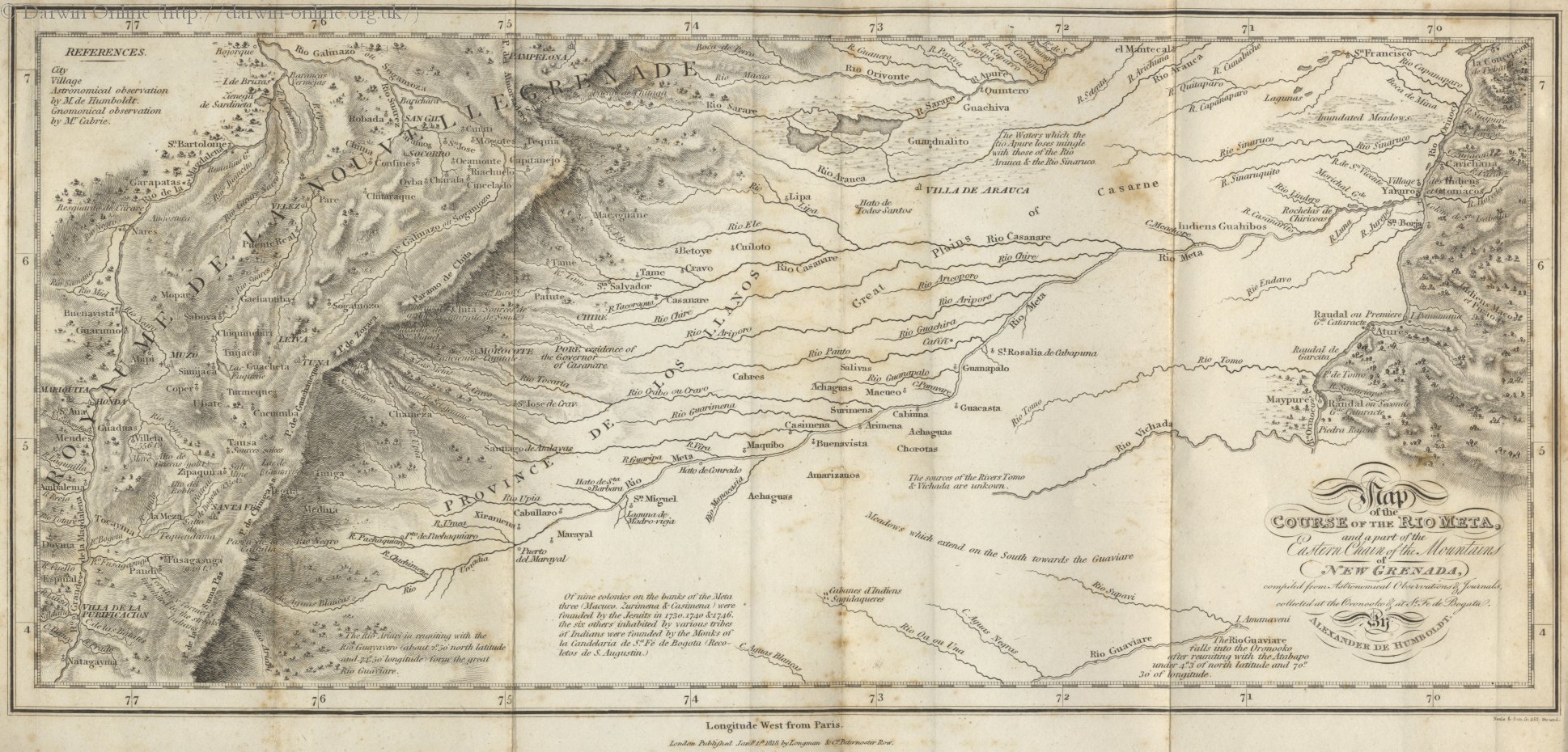
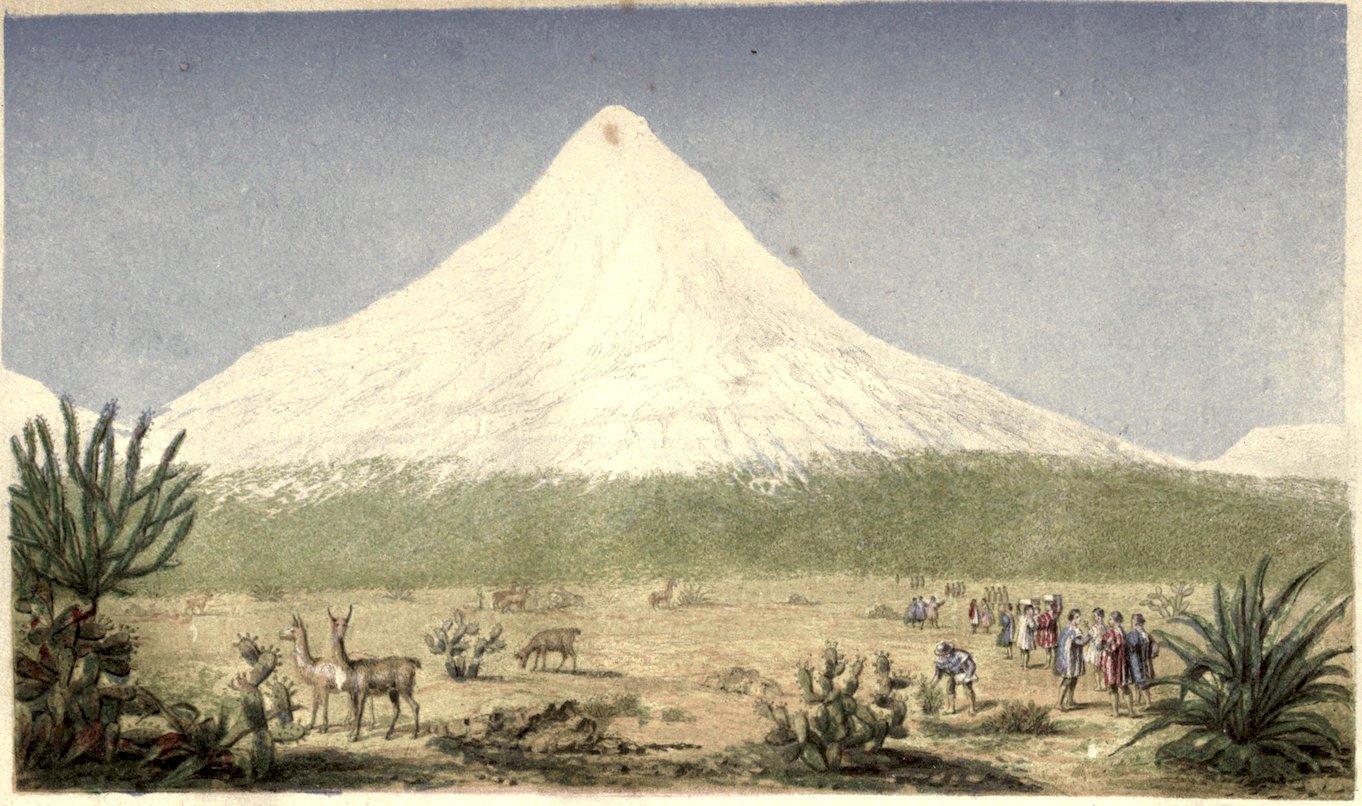
Credit: darwin-online.org.uk
Day 2: Navigating The River
Day 2 was full of unexpected problems. The river was rough and the boat shook. The current was very strong. The crew had to work hard to keep the boat on course. The wind was fierce and pushed the boat side to side. The crew struggled to stay dry and keep their supplies safe. Navigation was difficult because of the fast water. It was a tough day.
The river was surrounded by lush greenery. Tall trees towered over the banks. Humboldt saw many unique plants. Some had bright flowers. Others had large leaves. Many animals were in the area. Birds flew over the river. Fish swam near the boat. Monkeys were seen in the trees. These sights gave the crew hope. Nature was beautiful.
Day 3: Encounter With Indigenous Tribes
On the third day, Humboldt met several indigenous tribes. The meeting was full of curiosity and respect. Tribes shared their stories and traditions. Humboldt learned many new things. He found their culture very rich and interesting. Everyone was very kind to him. This exchange helped build a bond of trust.
Humboldt spent time documenting the tribes’ traditions. He took notes on their rituals and daily life. He was fascinated by their unique customs. Their way of life was very different from his own. He felt honored to witness their traditions. This documentation was very important to him.
Day 4: Deep Into The Jungle
The jungle revealed its rich ecosystems. Many plants and animals were new to Humboldt. He saw colorful birds and rare insects. Strange plants grew everywhere. The jungle was thick and hard to walk through. But it was beautiful and full of life.
Humboldt made many scientific discoveries. He studied the plants and animals closely. He wrote notes and drew pictures. Humboldt found new species. He was amazed by the jungle’s diversity. Each discovery was exciting and important.
Day 5: Climbing The Tepuis
The Tepuis are ancient. They are made of sandstone. These formations date back millions of years. They rise high above the jungle. The cliffs are steep and rugged. Many unique plants grow here. Some are not found anywhere else. The rocks tell a story. They show the history of the Earth. Exploring them feels like stepping back in time.
The views from the Tepuis are incredible. You can see for miles. The jungle stretches out below. Rivers wind through the trees. The sky is vast and clear. It feels like you are on top of the world. Every direction offers a new sight. The beauty is overwhelming. Taking in the scene is unforgettable.
Day 6: Return And Reflections
The team felt tired but happy. They had learned so much. The Alto Orinoco was a place of wonder. On the way back, they saw many animals. Birds, monkeys, and insects. Some they had not seen before. The river was calm and beautiful. It was like a mirror, reflecting the sky. The journey was long but peaceful.
Alexander von Humboldt’s work changed how people saw nature. He showed that nature is all connected. Plants, animals, and even the weather. His notes and drawings helped many scientists. They used his work to learn more. His trip to Alto Orinoco was very important. It helped people understand the world better. His studies still help scientists today. His impact on science was big and lasting.
Legacy Of The Expedition
Alexander Von Humboldt’s expedition brought many important discoveries. He studied the plants and animals. He learned about the local tribes. His work helped scientists understand the Amazon better. He wrote detailed notes. These notes are still used today. Humboldt’s expedition showed how rich and diverse the Amazon is. His discoveries were shared worldwide. Many scientists were inspired by his work.
Humboldt’s journey paved the way for other explorers. His maps were very detailed. They helped others navigate the region. Future expeditions followed his path. They built on his findings. Humboldt’s work set a high standard. Explorers aimed to be as thorough as him. His legacy lives on. Today, scientists still reference his expedition. Humboldt’s influence remains strong.

Credit: darwin-online.org.uk
Frequently Asked Questions
What Is Alexander Von Humboldt Most Known For?
Alexander von Humboldt is most known for his contributions to geography, natural science, and for his exploration of Latin America. He is also famous for his work on the interconnectedness of nature.
What Are The Two Observations Made By Alexander Von Humboldt?
Alexander von Humboldt observed that climate zones shift with altitude and that species distribution correlates with environmental conditions.
What Was Alexander Von Humboldt’s Most Important Impact On Science?
Alexander von Humboldt’s most important impact on science was his pioneering work in biogeography. He mapped the distribution of plants and animals. His holistic approach integrated diverse scientific fields, laying the foundation for modern environmental science.
What Were The Discoveries Of Alexander Von Humboldt?
Alexander von Humboldt discovered ocean currents, mapped botanical regions, studied volcanic activity, and theorized continental drift. He contributed significantly to biogeography and ecology.
Conclusion
The Alto Orinoco expedition was truly remarkable. Humboldt’s journey offered unique insights. His observations enriched our knowledge of the region’s diverse ecosystem. This six-day adventure showcased nature’s beauty and complexity. Humboldt’s findings continue to inspire modern naturalists. His dedication to exploration remains unmatched.
Readers can appreciate the value of his contributions. The expedition’s legacy lives on, encouraging further study. Nature enthusiasts will find Humboldt’s work fascinating. The Alto Orinoco remains a treasure trove of wonder. Discovering it through Humboldt’s eyes is captivating.

