









 Uncategorized
Tana Toraja is a land rich in culture and traditions. Nestled in Indonesia, it’s a place where life and death blend seamlessly.
Visitors to Tana Toraja often find themselves enchanted by its unique customs. This region is renowned for its elaborate funeral rites, intricate wood carvings, and traditional houses known as Tongkonan. Life here is deeply tied to ancestral beliefs and community values.
As you explore Tana Toraja, you’ll discover a way of life that honors both the living and the departed. Each tradition holds a story, each ritual a meaning, passed down through generations. Whether you’re a history buff or a cultural enthusiast, Tana Toraja promises a captivating journey into the heart of Indonesia’s heritage. Join us as we delve into the fascinating traditions and culture of Tana Toraja.
Introduction To Tana Toraja
Tana Toraja is in South Sulawesi, Indonesia. It is surrounded by mountains. The area is known for its beautiful landscapes. Rivers and rice fields are also common here. Tana Toraja’s location makes it unique. It is remote and peaceful. This helps to preserve its culture and traditions.
The Toraja people have a rich history. They are believed to have migrated from southern China. They settled in Tana Toraja centuries ago. The culture developed independently. Traditional houses called “Tongkonan” are important. They have unique shapes and designs. Funeral rites are a key part of Toraja culture. These ceremonies are elaborate and can last for days. They show respect for ancestors. The history is full of unique practices and beliefs. This makes Tana Toraja a fascinating place.
Traditional Architecture
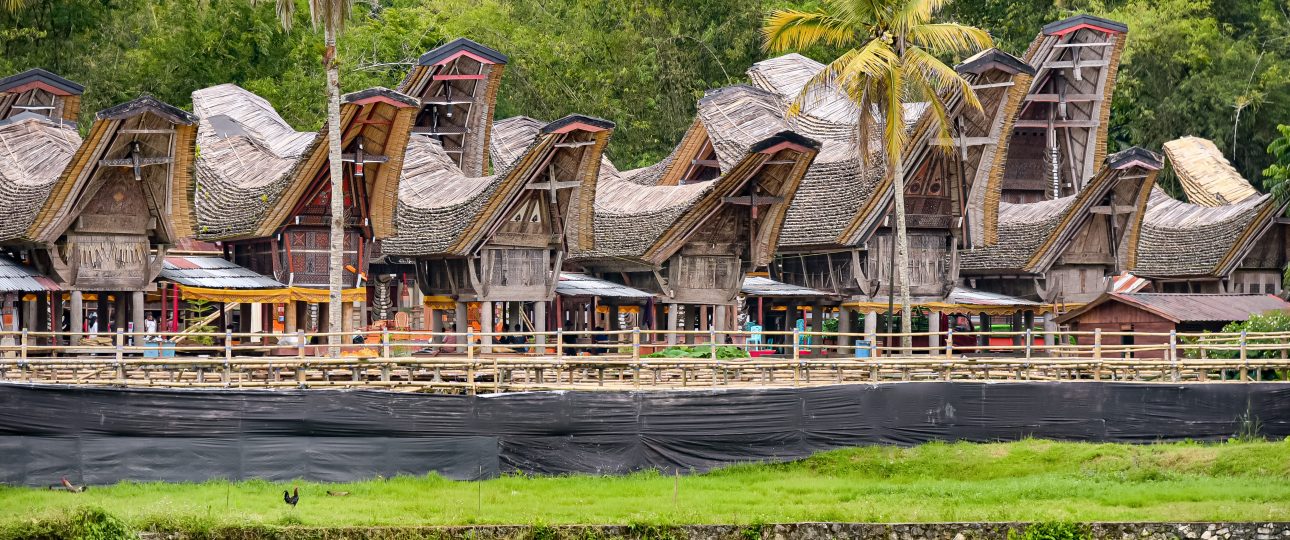
The Tongkonan houses are unique. They have curved roofs. The roofs look like boats. They are made of wood and bamboo. These houses face north. This direction is sacred. Families live in these houses. They also hold ceremonies here. The houses are richly decorated. You can see carvings on the walls. The carvings tell stories. They show the history of the family.
Rice barns are important in Tana Toraja. They store rice. The barns look like Tongkonan houses. They also have curved roofs. The barns are smaller. They are built on stilts. This keeps the rice dry. Families use these barns for generations. The barns also have carvings. The carvings have meanings. They show the wealth of the family. They also show respect for rice.
Unique Funeral Practices
The Rambu Solo ceremony is a special funeral tradition in Tana Toraja. People believe it helps the soul of the dead reach the afterlife. Many animals are sacrificed during this ceremony. Buffaloes and pigs are the most common. Their meat is shared with the community. The ceremony can last for days. It is a time for family and friends to gather. They honor the dead with songs and dances. The more animals sacrificed, the higher the status of the deceased.
The Ma’nene ritual is another unique practice. Families exhume the bodies of their loved ones. They clean and dress them in new clothes. This ritual happens every few years. It is a way to show respect to the dead. People believe it keeps the spirits happy. They also believe it brings good luck. The whole community participates in the ritual. It is a time to remember and celebrate the dead.

Credit: www.instagram.com
Cultural Festivals
The Toraja International Festival is a grand event. It attracts many visitors. People from all over the world attend. Traditional music fills the air. Local artists perform with passion. Many visitors enjoy the cultural displays. They learn about Toraja’s rich history.
Traditional dance is a key part of Toraja’s culture. Dancers wear colorful outfits. Their movements tell old stories. Each dance has a special meaning. Some dances celebrate harvests. Others honor ancestors. The music is unique. Drums and gongs set the rhythm. Children and adults both perform. The dances are a sight to behold. They show Toraja’s spirit and pride.
Local Cuisine
Experience the rich traditions and culture of Tana Toraja through its local cuisine. Delight in unique dishes that tell stories of heritage and community. Enjoy flavors that have been passed down through generations.
Specialty Dishes
Tana Toraja is famous for its unique food. The most well-known dish is Pa’piong. It is made from chicken or pork. The meat is cooked with coconut milk and spices. Another popular dish is Tumpek. It is a rice cake wrapped in banana leaves. The rice is mixed with spices and sometimes meat. Both dishes are cooked in bamboo tubes. This method gives the food a special flavor.
Influence Of Culture On Food
The food of Tana Toraja is more than just taste. It shows the culture and traditions of the people. Many dishes are prepared during special events. For example, Pa’piong is often made for weddings and funerals. The use of bamboo for cooking is also traditional. It comes from the Torajan way of life. They live close to nature and use natural materials. This makes their food special and rich in culture.
Credit: expatstraveltogether.com
Handicrafts And Souvenirs
Tana Toraja is famous for its wood carvings. These carvings show detailed designs. They are made from local wood. Many families pass this skill down. You can find wooden statues and decorative panels. These make great souvenirs. The carvings often show animals or traditional patterns. Each piece tells a story.
Traditional weaving is a big part of Toraja culture. Women often weave colorful fabrics. They use hand looms to create these pieces. The patterns are unique. Each one has a special meaning. You can buy these fabrics as scarves or blankets. They are perfect gifts. They show the beauty of Toraja.
Natural Attractions
The mountains of Tana Toraja are breathtaking. They are very high and covered with green trees. The valleys are deep and wide. They are perfect for walking and exploring. The air is fresh and clean. You can see the sun rise over the hills. It is a beautiful place.
Waterfalls in Tana Toraja are amazing. Water flows down from high cliffs. The sound is loud and relaxing. There are many caves to explore too. Some caves are very dark and deep. Many people come to see these natural wonders. They are a big part of Tana Toraja’s beauty.
Tips For Travelers
The best months to visit Tana Toraja are June to September. These months have fewer rains and many festivals. Travelers can enjoy the beauty of the region more.
Respect local traditions. Wear modest clothing. Always ask before taking photos of people. Greet locals with a smile. Never point with your finger. Use your thumb instead.

Credit: www.travellocal.com
Frequently Asked Questions
What Is The Culture Of The Tana Toraja?
Tana Toraja culture is rich in rituals, traditional dances, and ancestral ceremonies. They are renowned for elaborate funeral rites and unique architecture.
What Makes Tana Toraja In Sulawesi Unique?
Tana Toraja in Sulawesi is unique for its elaborate funeral rituals, traditional cliffside graves, and distinctive tongkonan houses. The region’s rich culture and scenic landscapes attract many visitors.
What Are The Beliefs Of The Toraja?
The Toraja believe in Aluk To Dolo, which emphasizes ancestor worship, rituals, and ceremonies. They practice elaborate funeral rites and animal sacrifices. Their beliefs blend animism and Christianity.
What Is The Story Of The Toraja?
The Toraja people of Indonesia are known for their elaborate funeral rituals and unique cliff-side burial sites. Their culture emphasizes honoring ancestors and maintaining strong family ties.
Conclusion
Tana Toraja’s traditions and culture offer unique experiences. Rich heritage. Fascinating rituals. The community’s respect for ancestors and elaborate ceremonies stand out. Exploring this region provides deep insights into their way of life. Witnessing their customs and values leaves a lasting impression.
Tana Toraja remains a remarkable destination for those curious about diverse cultures. Visit and immerse yourself in their world. Enjoy the vibrant, welcoming atmosphere. The memories will stay with you forever.

