






 Uncategorized
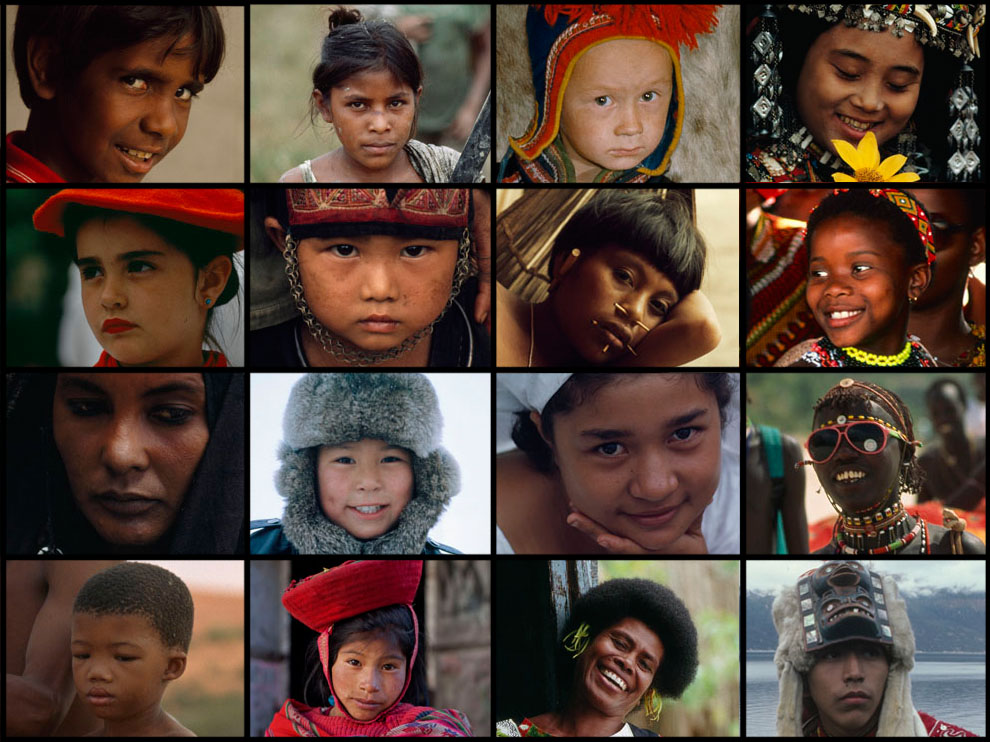
Indigenous people have unique cultures and traditions. They live in various parts of the world.
The history of indigenous people is rich and diverse. From the Americas to Asia, Africa, and beyond, they hold deep connections to their lands. These communities often face challenges but they continue to preserve their heritage. They pass down knowledge through generations.
Their stories, languages, and customs teach us about resilience and respect for nature. Learning about indigenous people helps us appreciate global diversity. It also highlights the importance of preserving cultural identities. As you read on, you will discover more about these vibrant communities and their significant contributions to the world.
Credit: education.nationalgeographic.org
Introduction To Indigenous Cultures
Indigenous cultures are the heart of our world’s history. These cultures are rich with traditions and customs passed down for generations. Each group has unique languages, rituals, and beliefs. They hold deep connections to nature and the land they live on. Many indigenous people value community and family above all. Their stories and art reflect their deep-rooted heritage. Preserving these cultures is important for our global diversity.
Significance Of Indigenous Cultures
Indigenous cultures teach us respect for nature. They show us how to live in harmony with the environment. Their knowledge can help solve modern problems. Traditional medicine from these cultures is still used today. Indigenous art and music enrich our world. They remind us of our shared human history. Protecting these cultures is vital for our future.
Global Distribution Of Indigenous Communities
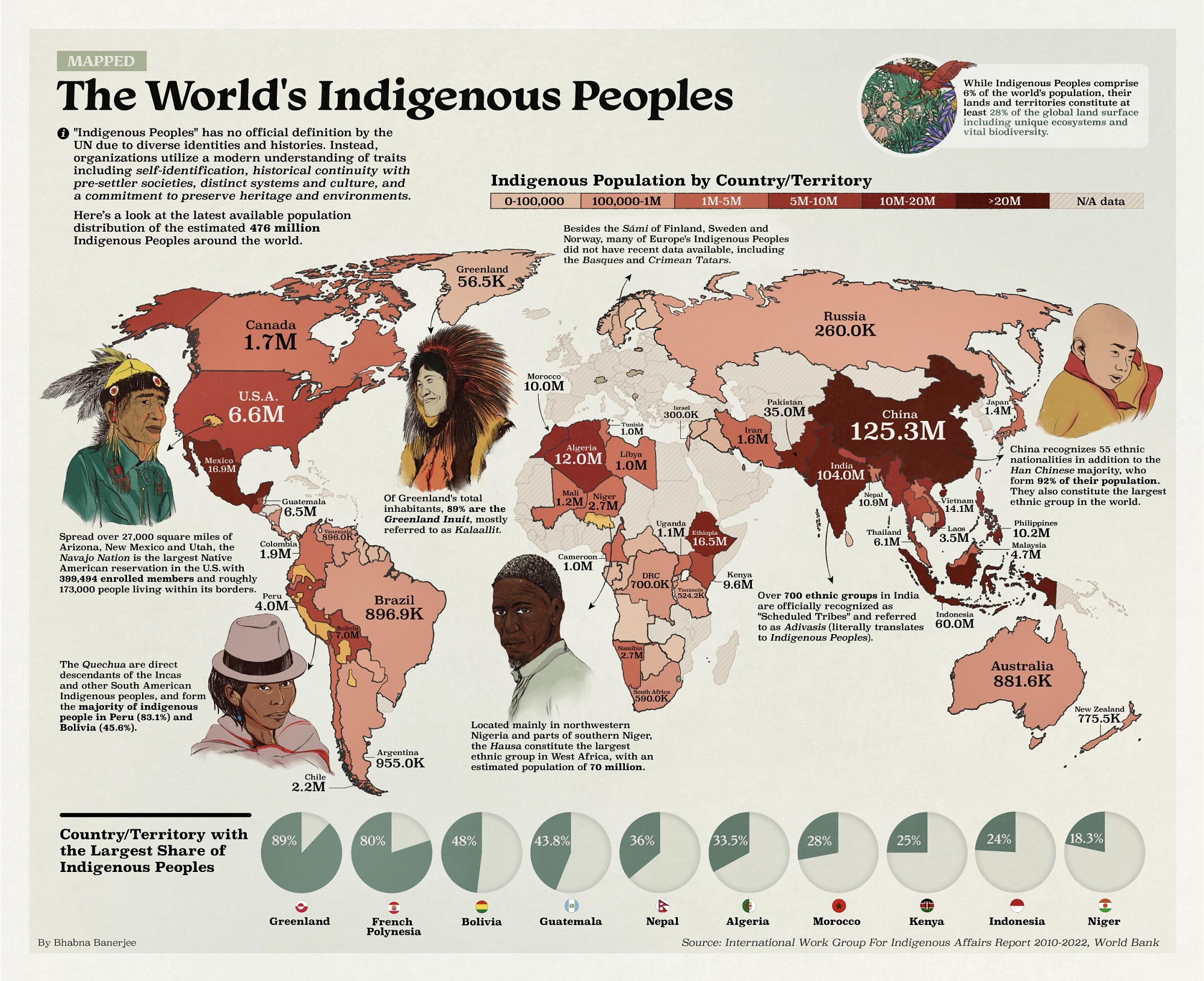
| Region | Indigenous Communities |
|---|---|
| North America | Native Americans, Inuit |
| South America | Quechua, Guarani |
| Africa | Maasai, San |
| Asia | Adivasi, Hmong |
| Australia | Aboriginal Australians |
| Europe | Sami |
Historical Background
Indigenous people have lived on Earth for thousands of years. They have unique cultures and traditions. Early humans traveled from Africa to other parts of the world. They moved to find food and better living places. These journeys shaped their lives and cultures.
Colonization changed the lives of indigenous people. Colonizers took their land and resources. Many indigenous people faced violence and disease. They lost their traditional ways of living. The impact of colonization is still felt today. Indigenous communities strive to preserve their cultures and rights.
Cultural Practices
Indigenous people have deep spiritual connections to nature. Many believe in spirits that inhabit trees, rivers, and mountains. These beliefs shape their daily lives and practices. Rituals often involve ceremonial dances and songs. Some use natural elements like herbs and stones in their rituals. Elders play a key role in passing down these ancient traditions. They teach the younger generation about their heritage and values. Respect for ancestors is a common theme. This respect is shown through offerings and prayers.
Festivals are a vibrant part of indigenous culture. These events celebrate harvests, changes of seasons, and important life events. Music, dance, and art are central to these celebrations. Traditional clothing is often worn during these times. Foods are prepared using ancient recipes and shared among the community. Each festival has unique customs and activities. It is a time for community bonding and joy. Children learn about their culture through these celebrations. Festivals help preserve cultural identity and foster unity.

Credit: iwgia.org
Languages And Communication
Many indigenous languages are at risk. These languages hold great cultural value. Each one carries unique stories and traditions. Losing them means losing a part of history. Efforts are being made to save these languages. Communities work hard to teach the young. Schools are involved too. They include indigenous languages in their curriculum.
Many groups work to keep these languages alive. They record spoken words and phrases. This helps in creating audio dictionaries. Some use technology to help. Apps and websites teach people these languages. Governments also support these efforts. They fund language programs. Libraries and museums play a role too. They store important documents and recordings.
Art And Craftsmanship
Indigenous art is rich in history. Many art forms pass down through generations. These include weaving, pottery, and painting. Each piece tells a story. It reflects the culture and beliefs of the people.
Weaving is a common art form. It uses natural materials like wool or plant fibers. The designs are often intricate. They hold special meanings and symbols.
Symbols play a key role in indigenous art. They represent various elements of life. Animals, plants, and natural phenomena are common symbols. They tell stories of creation and life. They also honor ancestors and spirits.
Colors have meanings too. Red might symbolize life. Blue could mean water or sky. Each color and symbol has a purpose. Together, they create a powerful message.
Credit: www.activesustainability.com
Challenges Faced
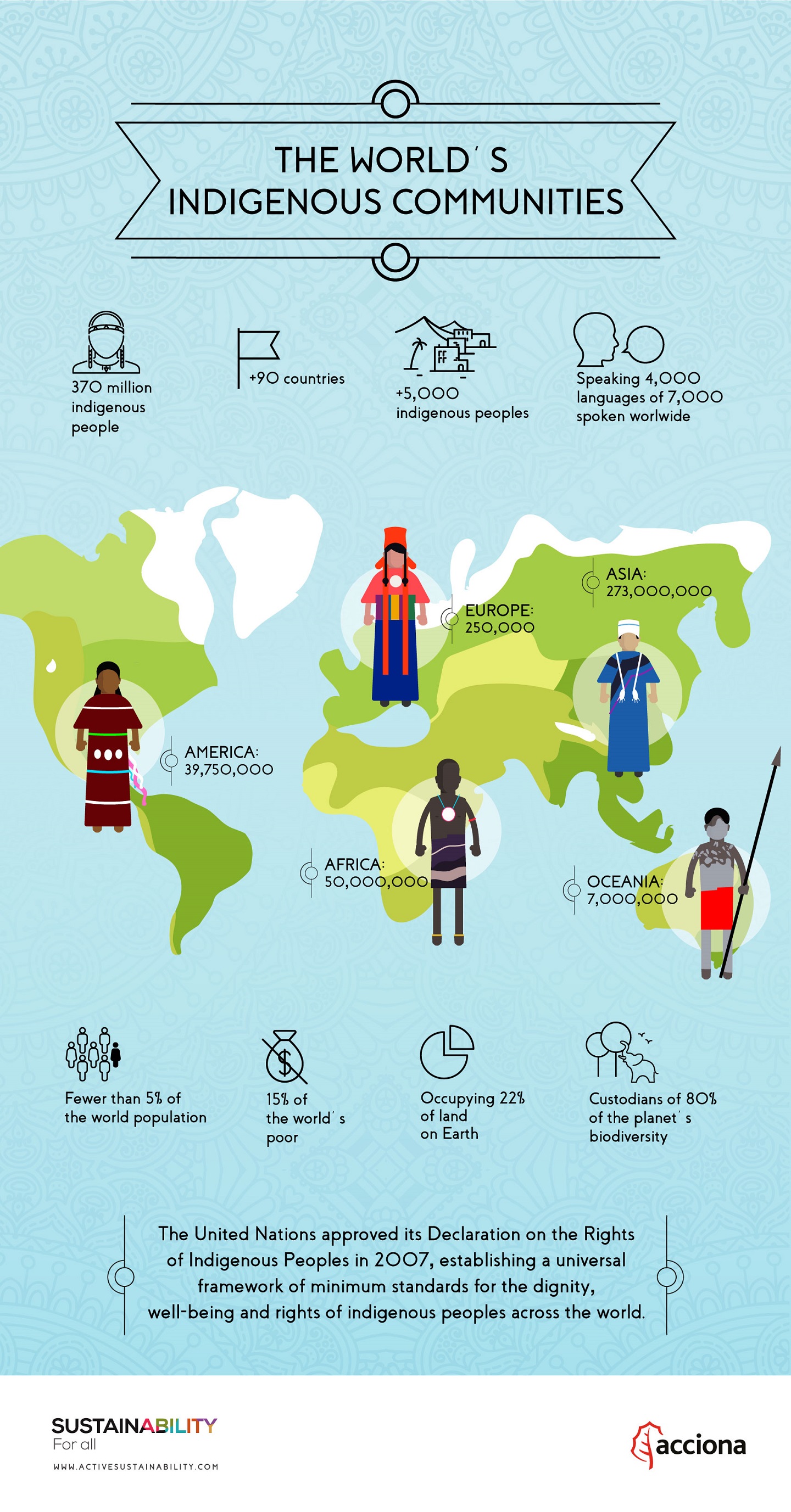
Indigenous people often face displacement from their ancestral lands. Their land is taken for development projects. This forces them to move to new areas. Many lose their homes and livelihoods. They fight for their land rights but face many barriers.
Indigenous communities face high poverty rates. Job opportunities are limited. Many lack access to basic services like healthcare and education. Social discrimination is a big problem. They often face exclusion from society. These issues make their lives very hard.
Contributions To Modern Society
Indigenous people care for nature deeply. They protect forests, rivers, and lands. Their knowledge helps in preserving biodiversity. Many use traditional farming methods. These methods are sustainable and reduce harm to the environment. Indigenous communities often live in harmony with nature. They show the world how to do the same.
Indigenous people share their wisdom with others. Their traditional medicines help modern medicine. Many plants used by Indigenous healers are now in modern drugs. They have unique crafts and tools. These are often copied and used today. Their art and stories inspire many cultures. Indigenous people teach us new ways to solve problems.
Future Of Indigenous Cultures
Empowerment helps Indigenous people protect their cultures. Advocacy groups work hard. They fight for rights and resources. These groups raise awareness. They make laws to protect Indigenous lands.
Education is key. Many Indigenous people want to learn. They want to keep their traditions alive. Schools teach young people about their heritage. This keeps the culture strong.
The global community can help. They can support Indigenous causes. They can donate money. They can share information. This helps spread awareness. People learn about Indigenous issues.
Governments can make policies. These policies can protect rights. They can give Indigenous people a voice. This makes a big difference. It helps keep cultures alive.
Frequently Asked Questions
Who Are The Indigenous People Of The World?
Indigenous people are native inhabitants of regions worldwide. They maintain unique cultures, languages, and traditions, distinct from dominant societies.
Who Are Considered Indigenous People?
Indigenous people are original inhabitants of a region. They maintain distinct cultural, social, and economic practices. They possess unique languages, traditions, and knowledge systems.
Who Are The Original Indigenous People?
The original Indigenous people are the native inhabitants of a region, including Native Americans, Aboriginal Australians, and First Nations in Canada.
What Is The Largest Indigenous Group In The World?
The largest Indigenous group in the world is the Adivasis in India. They number over 104 million people.
Conclusion
Indigenous people hold rich cultures and deep histories. Their traditions teach valuable lessons. Respecting their wisdom is important for all. We learn from their connection to nature. Their stories inspire and unite us. Let’s celebrate their diversity. Embrace their heritage.
Protect their rights. Working together, we honor their legacy. Acknowledging their contributions enriches our world.

