







 Uncategorized
Laos is a country rich in history and culture. It offers a unique heritage waiting to be explored.
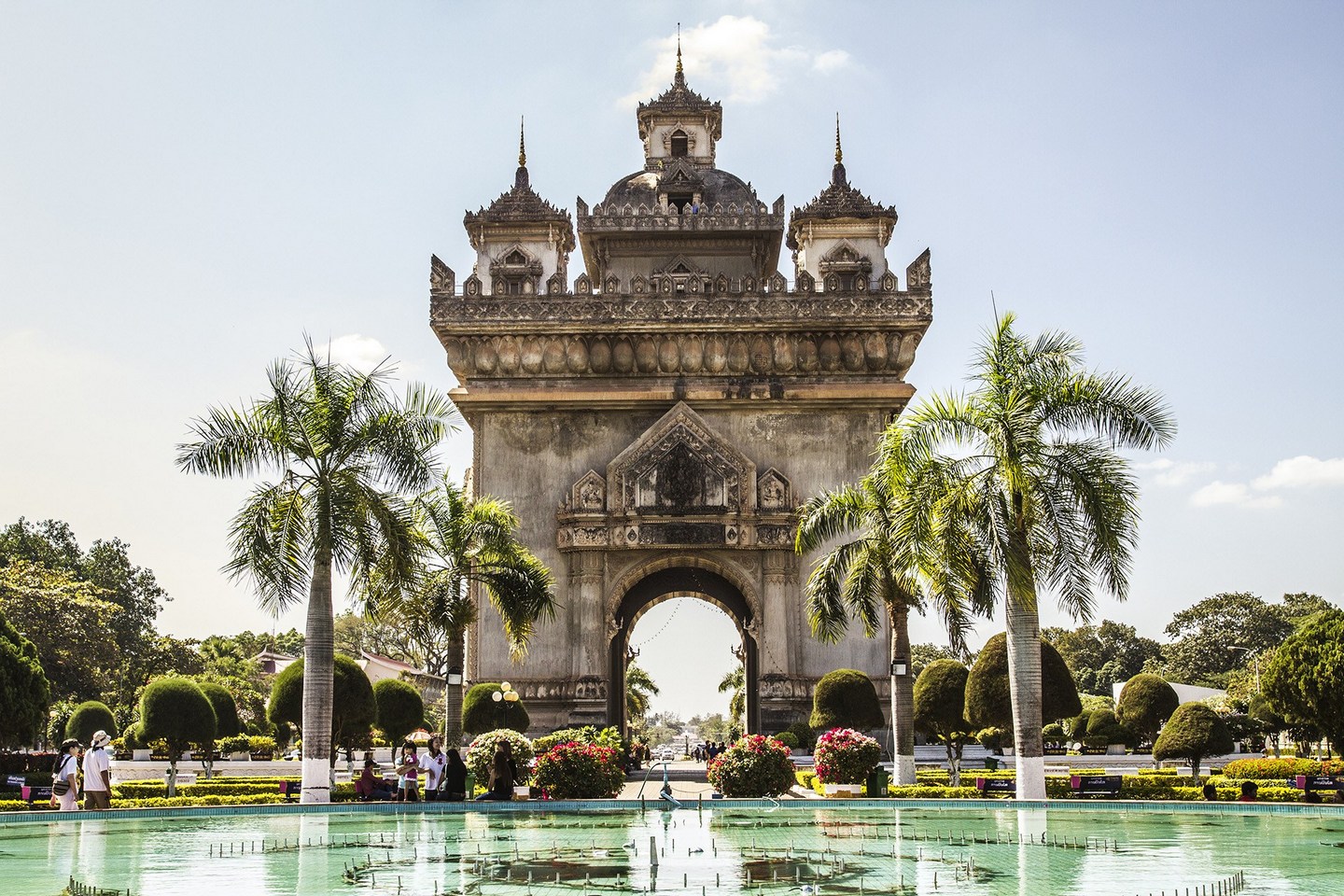
Nestled in Southeast Asia, Laos boasts an enchanting blend of old and new. Ancient temples, bustling markets, and serene landscapes define this land. A heritage guide to Laos helps you uncover its timeless charm. From the UNESCO World Heritage sites to the traditional villages, every corner tells a story.
This guide aims to take you on a journey through Laos’ cultural wonders. Discover the traditions, customs, and historical sites that shape the Laotian identity. Get ready to immerse yourself in a world where past and present coexist beautifully. Let’s explore the captivating heritage of Laos together.

Credit: www.instagram.com
Introduction To Laos
Laos has a rich past. The country has seen many rulers. The Lan Xang kingdom was one of the most powerful. This kingdom lasted from the 14th to the 18th century. Later, Laos became a French colony. This happened in the late 19th century. Laos gained independence in 1953. The history of Laos shapes its culture today.
Laos is in Southeast Asia. It is a landlocked country. It is bordered by five countries. These are Thailand, Cambodia, Vietnam, China, and Myanmar. The Mekong River runs through Laos. This river is vital for transport and farming. The landscape has mountains, valleys, and plains. The climate is tropical. There are two main seasons. Wet and dry. The geography of Laos is diverse and beautiful.

Credit: shop.roughguides.com
Cultural Significance
Laos is home to many ethnic groups. Each group has its own traditions. The Lao people are the largest group. Other groups include the Hmong and Khmu. This diversity makes Laos rich in culture.
Different languages are spoken in Laos. Many people speak Lao. Other languages include Hmong, Khmu, and French. This mix of languages adds to the country’s unique charm.
Laos has many festivals. One of the most important is Pi Mai. This is the Lao New Year. It is celebrated in April. People throw water to clean away bad luck.
Another festival is Boun Bang Fai. This is the Rocket Festival. It is held in May. People launch rockets to ask for rain. These festivals show the deep cultural roots of Laos.
Ancient Temples
Wat Phou is an ancient temple in Laos. It is very old. The temple is on a mountain. It was built long ago. Wat Phou is a UNESCO World Heritage site. This means it is important. Many people visit it every year. The temple has many beautiful carvings. The carvings show old stories. Wat Phou is a peaceful place. It is good for relaxing. The view from the top is wonderful.
Pha That Luang is a big golden stupa. It is in Vientiane, the capital of Laos. The stupa is very tall. It shines in the sun. Pha That Luang is a symbol of Laos. It shows the country’s Buddhist beliefs. Many festivals happen here. People come to pray and celebrate. The stupa is surrounded by smaller temples. Each temple has its own beauty. Pha That Luang is a must-see place. It is full of history.
Historic Sites
The Plain of Jars is a mystery. Thousands of stone jars scatter the fields. Some jars are huge. Some are small. They have been there for centuries. No one knows who made them. No one knows why.
Local legends say giants made them. Others think they were used for burials. The area is also beautiful. Green fields stretch as far as you can see. It is a great place to explore.
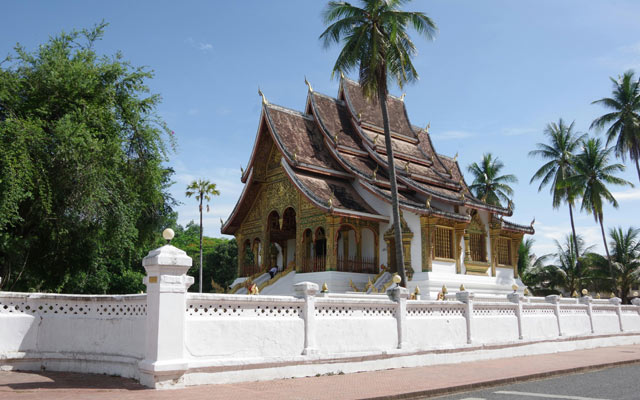
Luang Prabang is an ancient city. It is a UNESCO World Heritage site. The city has many temples. Each temple is unique. The architecture is stunning. The culture is rich and vibrant.
The Mekong River flows through the city. Monks walk the streets in the morning. They collect alms from the locals. It is a peaceful sight. The night market is a must-visit. You can find many local crafts there.
Traditional Arts
Laos is known for its beautiful handicrafts. Many people make items by hand. They use traditional methods. Items like woven baskets and colorful textiles are common. These crafts are often made from natural materials. They are unique and high-quality. Visitors love to buy them as souvenirs. Supporting local artisans helps preserve these ancient skills.
Performing arts in Laos are rich and varied. Traditional music is a key part. Dancers often wear colorful costumes. The dances tell stories of the past. Puppetry is also popular. Shows are often held at festivals. They are a great way to learn about Lao culture. Many performances are open to the public. This makes them easy to enjoy.
Credit: asiatravelandleisure.com
Laotian Cuisine
Laotian cuisine is full of unique flavors. One famous dish is Larb. It is a meat salad made with minced meat, herbs, and lime juice. Another popular dish is Sticky Rice. People eat it with almost every meal. Khao Piak Sen is a tasty noodle soup, often enjoyed for breakfast.
Laotian food is often shared. Meals usually include many small dishes. Fresh herbs and spices are key ingredients. Food is often grilled or steamed. Laotians enjoy spicy and sour flavors. They use fermented fish sauce in many dishes. This gives the food a unique taste.
Natural Wonders
The Mekong River flows through Laos. It is one of the longest rivers in the world. The river supports many villages. It is vital for fishing and farming. Boats and ferries travel along the river. People use the water for daily life. The river is also a habitat for wildlife. Many birds and fish live there.
The Mekong River is perfect for boat trips. Visitors can see beautiful landscapes. The river connects people and nature. It is truly a natural wonder.
Vang Vieng is a small town. It is known for its stunning scenery. Limestone cliffs surround the area. The Nam Song River flows through the town. Tourists love the outdoor activities here. You can go tubing on the river. Rock climbing is popular too.
The town offers many caves to explore. Each cave has unique formations. The Blue Lagoon is also a must-visit spot. The water is clear and cool. Perfect for swimming. Vang Vieng is a paradise for nature lovers.
Modern Influences
Laos is growing fast. New buildings are everywhere. Cities are expanding quickly. Roads are improving. More people are moving to cities. Job opportunities are increasing. This growth brings many changes. Some old parts of the city are disappearing. New malls and offices are replacing them. But the charm of Laos remains. Tradition mixes with modern life.
Laos loves its culture. People keep old traditions alive. Festivals are celebrated with joy. Traditional music and dance are popular. Many young people learn old crafts. They make beautiful hand-made items. These are sold in markets. Schools teach the history of Laos. Old buildings are protected. Temples are well cared for. Culture and progress go hand in hand.
Travel Tips
The best time to visit Laos is from November to February. The weather is cooler and dry. Avoid the rainy season from May to October. Roads can be muddy and hard to travel. Summers can be very hot in Laos. Pack light clothes and stay hydrated.
Laotians are very friendly and polite. Always greet with a smile. When entering homes, take off your shoes. Avoid touching anyone’s head, even kids. Point with your whole hand, not just one finger. Dress modestly when visiting temples. Cover your shoulders and knees. Respect local customs and traditions.
Frequently Asked Questions
Is 2 Weeks In Laos Enough?
Yes, 2 weeks in Laos is enough. Explore stunning landscapes, vibrant culture, and historic sites comfortably within this timeframe.
How Many Days Is Enough For Laos?
Seven to ten days are ideal for exploring Laos. Visit cities, temples, nature, and experience local culture. Enjoy a balanced itinerary.
What Is The Difference Between Lao And Laotian?
“Lao” refers to the language and culture of Laos. “Laotian” describes something or someone from Laos. Both terms are often used interchangeably.
What Is The Curfew In Laos?
The nationwide curfew in Laos typically starts at midnight and ends at 4 AM. Exceptions may apply for specific events or locations.
Conclusion
Exploring Laos is a journey through time. Its heritage sites tell compelling stories. Each monument offers a glimpse into the rich past. From ancient temples to colonial architecture, history comes alive. Embrace the culture and traditions that thrive here. Laos invites you to experience its unique charm.
Discover the beauty, and create lasting memories. Your adventure in Laos will be unforgettable. Enjoy the heritage, and treasure every moment.
