








 Uncategorized
Rio de Janeiro is a city of vibrant culture and history. It is known for its stunning landscapes and lively festivals.
In 2016, Rio de Janeiro proudly hosted the Summer Olympics. This event marked a significant milestone in the city’s history. The world watched as athletes from around the globe competed in this beautiful Brazilian city. Rio’s blend of natural beauty and modern infrastructure created a unique backdrop for the games.
From the famous beaches of Copacabana to the iconic Christ the Redeemer statue, Rio offered a memorable experience for visitors and athletes alike. Hosting the Olympics brought global attention to Rio, showcasing its charm and spirit. This introduction to Rio as an Olympic city sets the stage for exploring its impact and legacy.
Credit: www.viator.com
Historical Significance
The earliest people in Rio were the Tupi tribes. They lived near the sea. They fished and hunted for food. They were simple and friendly people. They welcomed visitors from far lands. These visitors brought new things and ideas. The Tupi learned quickly. They adapted to changes well.
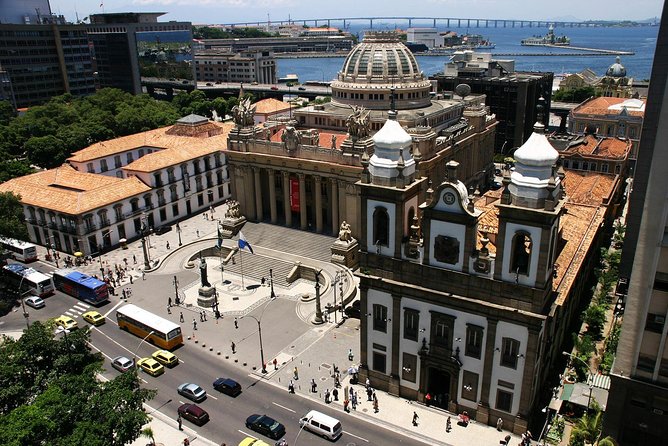
Portuguese explorers arrived in Rio. They built forts and trading posts. The Portuguese ruled for many years. Their influence is strong. You see it in the architecture. You taste it in the food. You hear it in the language. The mix of cultures makes Rio unique. It’s a city with a rich history.
Birth Of An Olympic City
Rio de Janeiro won the bid in 2009. It became the first South American city to host the Olympics. This was a proud moment for Brazil. The city had to compete with other strong candidates. They worked hard to prove their worth. They showed their culture and passion to the world.
Preparing for the Olympics was a huge task. Many new facilities were built. Sports venues, hotels, and transport systems were upgraded. But there were many challenges. Some projects faced delays. The city also had to ensure safety and security for all visitors. Despite these issues, Rio remained committed.
Iconic Venues
Maracanã Stadium is one of the largest stadiums in the world. It hosted the opening and closing ceremonies of the Olympics. Famous for its soccer matches. Holds a lot of history. It has a capacity of 78,838 seats. The atmosphere is electric during events. A must-visit for sports fans.
The Olympic Village housed athletes during the games. It was designed to be comfortable and secure. Included all necessary facilities. From gyms to dining areas. It was a small city within a city. Athletes could rest and prepare here. It was very well-organized. A key part of the Olympics.
Sports And Competitions
Rio de Janeiro hosted the 2016 Summer Olympics. This city saw many memorable moments. One such moment was Usain Bolt winning his third gold medal. Another was Simone Biles’ stunning gymnastics performance. These events made the Olympics special. Fans cheered loudly for their favorite athletes.
The Olympics in Rio had many diverse events. There were 28 sports in total. This included both popular and lesser-known sports. Fans could watch swimming, athletics, and gymnastics. They also enjoyed rugby sevens and golf. Every sport had its unique charm. Athletes from all over the world competed with great spirit.
Cultural Impact
Rio de Janeiro is rich in local traditions. The city is famous for Carnival, where people dance and wear colorful costumes. Many enjoy Samba music, which fills the streets. Sports also play a big role. Soccer is very popular. Kids grow up playing it everywhere. These traditions make the city lively and unique.
The Olympics brought global attention to Rio. People from all over the world visited. They experienced the local culture. They shared their own cultures too. This created a mix of traditions. It helped Rio become a melting pot. The city now enjoys a blend of different ideas and customs. This global influence makes it even more special.

Credit: en.wikipedia.org
Economic Effects
Rio De Janeiro saw a rise in tourists during the Olympics. The city’s beautiful beaches and famous landmarks attracted many visitors. Local businesses, such as hotels and restaurants, benefited from the increase. This boost in tourism helped the economy. More jobs were created for locals, improving their lives. The Olympics put Rio on the world stage, making it a must-visit place.
The city improved its infrastructure for the Olympics. New roads and transport systems were built. This made it easier for people to move around the city. Upgraded facilities also benefited the locals. Sports venues, parks, and public spaces were enhanced. These changes left a lasting impact on the city. The improvements continue to serve residents and visitors alike.
Sustainability Efforts
Rio de Janeiro is famous for its beaches and forests. The city works hard to protect the environment. They have started many green projects. These projects aim to reduce pollution and save energy. The city promotes public transport to cut down on car use. Bike lanes have been built to encourage cycling. The goal is to have cleaner air and less traffic.
Community efforts play a big role in Rio. People join hands to keep the city clean. Schools teach kids about recycling and waste management. Many neighborhoods have community gardens. These gardens provide fresh food and improve air quality. Volunteer groups organize regular clean-up drives. They collect trash and make the city look better. The community spirit is strong in Rio.

Credit: www.blueridgenow.com
Legacy And Future
The Olympics brought many benefits to Rio De Janeiro. New sports facilities are now available to everyone. The city improved its infrastructure. Many new roads and transport systems were built. Locals now have better public services. Health and education systems received upgrades. These changes help in daily life. Tourism increased too. More visitors come each year. This helps the local economy.
Many projects continue after the Olympics. Urban renewal is a focus. Old areas are being revitalized. More green spaces and parks are being added. New housing projects are in progress. These aim to provide better living conditions. The city works on environmental sustainability. Efforts include reducing pollution and improving waste management. These projects aim to make Rio a better place for all.
Frequently Asked Questions
Did The Olympics Help Rio De Janeiro?
Yes, the Olympics helped Rio de Janeiro. It improved infrastructure and boosted tourism. However, the long-term economic impact remains debated.
How Many Condoms Were Used In Rio 2016?
About 450,000 condoms were used during Rio 2016 Olympics. Athletes received 42 condoms each, promoting safe sex.
What Happened To The Olympic Village In Rio?
The Olympic Village in Rio was repurposed as luxury apartments. Many remain unsold and in poor condition.
Why Is Rio De Janeiro So Famous?
Rio de Janeiro is famous for its stunning beaches, vibrant Carnival festival, iconic Christ the Redeemer statue, and lively culture. The city’s breathtaking landscapes, including Sugarloaf Mountain, and its rich history attract millions of tourists each year.
Conclusion
Rio de Janeiro shines as an Olympic city. Its rich culture, stunning views, and welcoming people create a unique experience. The city’s Olympic history adds to its charm. Visitors enjoy breathtaking beaches and vibrant nightlife. Rio’s energy captivates everyone. Plan a trip to explore this amazing city.
Enjoy the blend of past and present. Rio de Janeiro awaits your discovery.

