







 Uncategorized
Bahia is a unique blend of history and nature. This enchanting Brazilian state offers both cultural richness and stunning landscapes.
From its colonial past to its lush, diverse ecosystems, Bahia is a place of wonder. You can wander through historic towns with cobblestone streets and colorful buildings. The state’s natural beauty is equally captivating, with miles of pristine beaches, dense forests, and serene waterfalls.
Whether you are a history buff or a nature lover, Bahia has something to offer. Discover the stories of its past and the splendor of its environment. Dive into Bahia’s culture and explore its breathtaking scenery. This journey promises to be both educational and awe-inspiring. So, let’s begin our adventure into Bahia’s history and nature.
Introduction To Bahia
Bahia is a state in Brazil. It has a rich history. The region was first settled by the Portuguese in the 16th century. They established Salvador as the first capital of Brazil. Bahia played a key role in the sugar cane industry. This brought many African slaves to the area. Their culture deeply influenced Bahia’s traditions. Today, Bahia is known for its Afro-Brazilian culture.
Bahia has a diverse landscape. It features beautiful coastlines, mountains, and forests. The state is located in the northeastern part of Brazil. It has over 1,100 kilometers of coastline. Bahia’s coastal areas are famous for their stunning beaches. Inland, there are lush rainforests and highlands. These regions offer a variety of outdoor activities. Bahia’s unique geography makes it a popular destination.
Credit: www.floridastateparks.org
Colonial Era
The Portuguese arrived in Bahia in the 16th century. They established the first capital of Brazil in Salvador. This led to a blend of cultures and traditions. Bahia’s architecture shows this influence with its colorful buildings. Many of the churches were built during this time. The Portuguese brought their religion and customs. These elements still impact Bahia today. They also started the sugarcane industry, which was crucial for the economy.
Before the Portuguese, Indigenous people lived in Bahia. They had their own rich cultures and traditions. These groups included the Tupinambá and Pataxó. They were skilled in hunting, fishing, and farming. Their art and crafts were unique and beautiful. Many Indigenous practices are still seen today. They have influenced local cuisine and festivals. Indigenous heritage remains a vital part of Bahia’s identity.
African Heritage
Slave trade had a huge impact on Bahia. Many Africans were brought here. They worked in fields and homes. This shaped Bahia’s culture. African traditions stayed strong. They influenced food, music, and dance.
Cultural contributions from African heritage are seen everywhere. Samba and capoeira are popular. These dances are fun and lively. They tell stories and history. African foods are tasty and colorful. People enjoy dishes like acarajé and vatapá. These foods have roots in African recipes.
Bahia’s Role In Brazilian Independence
Bahia played a vital role in Brazilian independence. Many battles happened here. The people fought bravely for freedom. Bahia was the stage for important struggles.
Several key figures emerged from Bahia. Maria Quitéria dressed as a man to fight. She is a national hero. João das Botas led naval forces against the Portuguese. Many others contributed to the cause.
Natural Landscapes
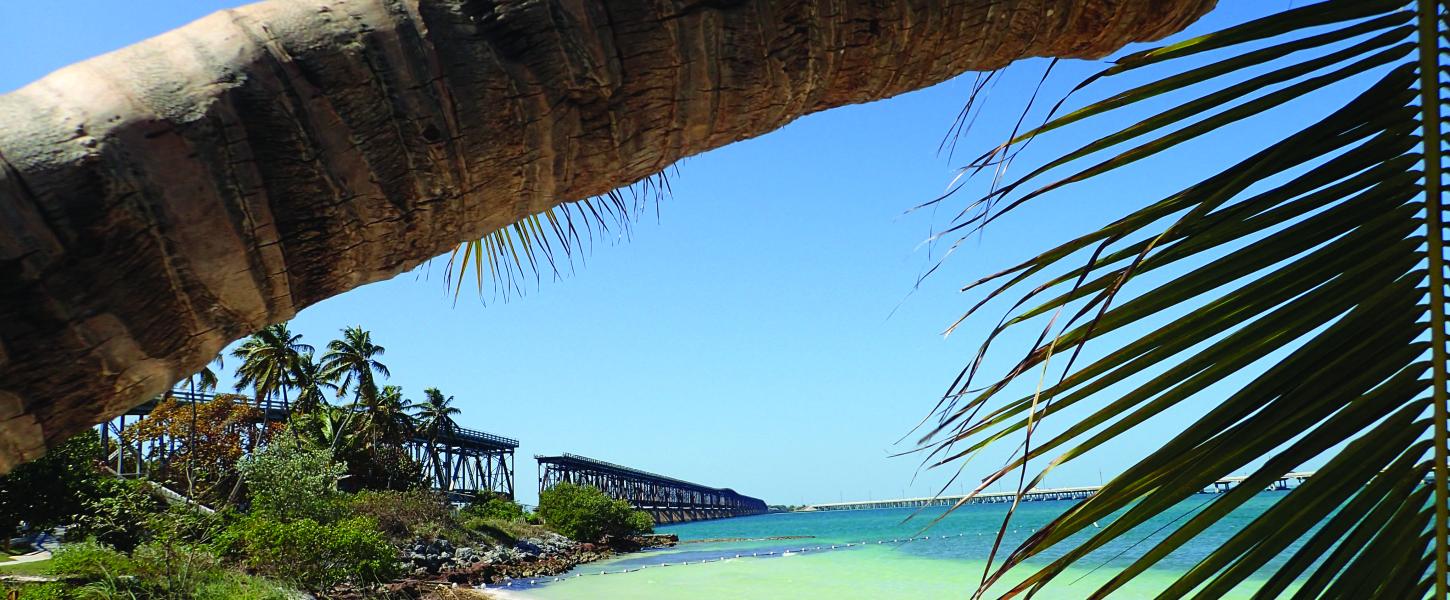
Bahia’s coast is full of beautiful beaches. Clear blue waters attract many visitors. The sand is white and soft. Palm trees line the shore. You can swim and sunbathe. Many people enjoy water sports here. The sunsets are stunning. It’s a perfect place to relax.
Bahia’s inland areas are just as amazing. There are lush forests. Rivers flow through the land. Many animals live here. You can see unique plants. The air is fresh and clean. Hiking trails are popular. People love to explore nature. It feels peaceful and quiet.

Credit: dicktaylorchocolate.com
Biodiversity
Bahia’s forests hold many secrets. Rare plants grow there. Some trees are very old. Animals live in these forests too. Monkeys swing from trees. Birds sing sweet songs. The jaguars hunt quietly. Each creature has its own role. Together, they form a beautiful web of life.
People work hard to save Bahia’s nature. Rangers guard the forests. They stop illegal hunting. Scientists study the animals. They find ways to help them. Locals plant new trees. This helps the forests grow. Many groups teach others. They show why nature is important. Everyone has a part to play. Protecting Bahia is a big job. But it is worth it.
National Parks And Reserves
Chapada Diamantina offers stunning views and rich wildlife. Many visitors enjoy hiking here. The waterfalls are breathtaking. Some trails are challenging, but worth the effort. The area is perfect for nature lovers. You might see exotic plants and animals. This park is a true gem in Bahia.
Abrolhos Marine Park is famous for its coral reefs. Snorkeling here is a must. The water is clear and full of fish. This park is home to humpback whales. They visit during migration season. The marine life is diverse and colorful. Boating trips offer a closer look. Abrolhos is a paradise for sea enthusiasts.

Credit: parksguidance.com
Cultural Heritage Sites
Salvador is the capital of Bahia. It is famous for its vibrant culture. The city has beautiful colonial buildings. Narrow streets are full of life. Music and dance are everywhere. The city is a mix of old and new. There are many museums to visit.
Pelourinho District
The Pelourinho District is in the heart of Salvador. It is a UNESCO World Heritage site. Colorful houses line the streets. The area has many churches and squares. Artists and musicians fill the streets. It is a great place to learn about history. The district is known for its unique charm.
Frequently Asked Questions
What Are Some Interesting Facts About Bahia?
Bahia, Brazil boasts beautiful beaches, rich Afro-Brazilian culture, and vibrant Carnival celebrations. It is the birthplace of samba and capoeira. The capital, Salvador, is famous for its historic Pelourinho district. The region offers diverse cuisine with African influences, and its coastline features stunning coral reefs and clear waters.
Why Is Bahia Famous?
Bahia is famous for its vibrant culture, stunning beaches, and rich history. It is a hub for Afro-Brazilian traditions.
What Does Bahia Mean In Portuguese?
Bahia means “bay” in Portuguese. It refers to coastal regions with water surrounded by land. Bahia is also a state in Brazil.
What Is The Culture Of Bahia, Brazil?
Bahia’s culture is vibrant and diverse. It blends African, Indigenous, and Portuguese influences. The region is famous for its music, dance, cuisine, and festivals. Key cultural elements include samba, capoeira, and Candomblé. Salvador, Bahia’s capital, is a cultural hub with historic sites and colorful streets.
Conclusion
Bahia is a treasure trove of history and nature. Its vibrant culture and stunning landscapes captivate every visitor. Wander through colonial streets, explore lush forests, and relax on pristine beaches. Bahia’s rich heritage and natural beauty offer endless adventures. Plan your trip today and experience it all firsthand.
Discover the magic of Bahia, where history meets nature in perfect harmony.

