









 Uncategorized
Hiking in India offers endless adventures. Its diverse landscapes are stunning.
From high mountains to dense forests, India has it all. Hiking enthusiasts find India a paradise. Its terrain varies from the rugged Himalayas to lush Western Ghats. Each region offers unique experiences. Hikes in India range from easy trails to challenging treks.
You can discover hidden waterfalls, ancient temples, and serene valleys. The country’s rich culture and history add to the allure. Whether you are a seasoned trekker or a beginner, India has something for everyone. This guide will introduce you to the best hiking spots. Get ready to explore the breathtaking beauty of India’s landscapes.
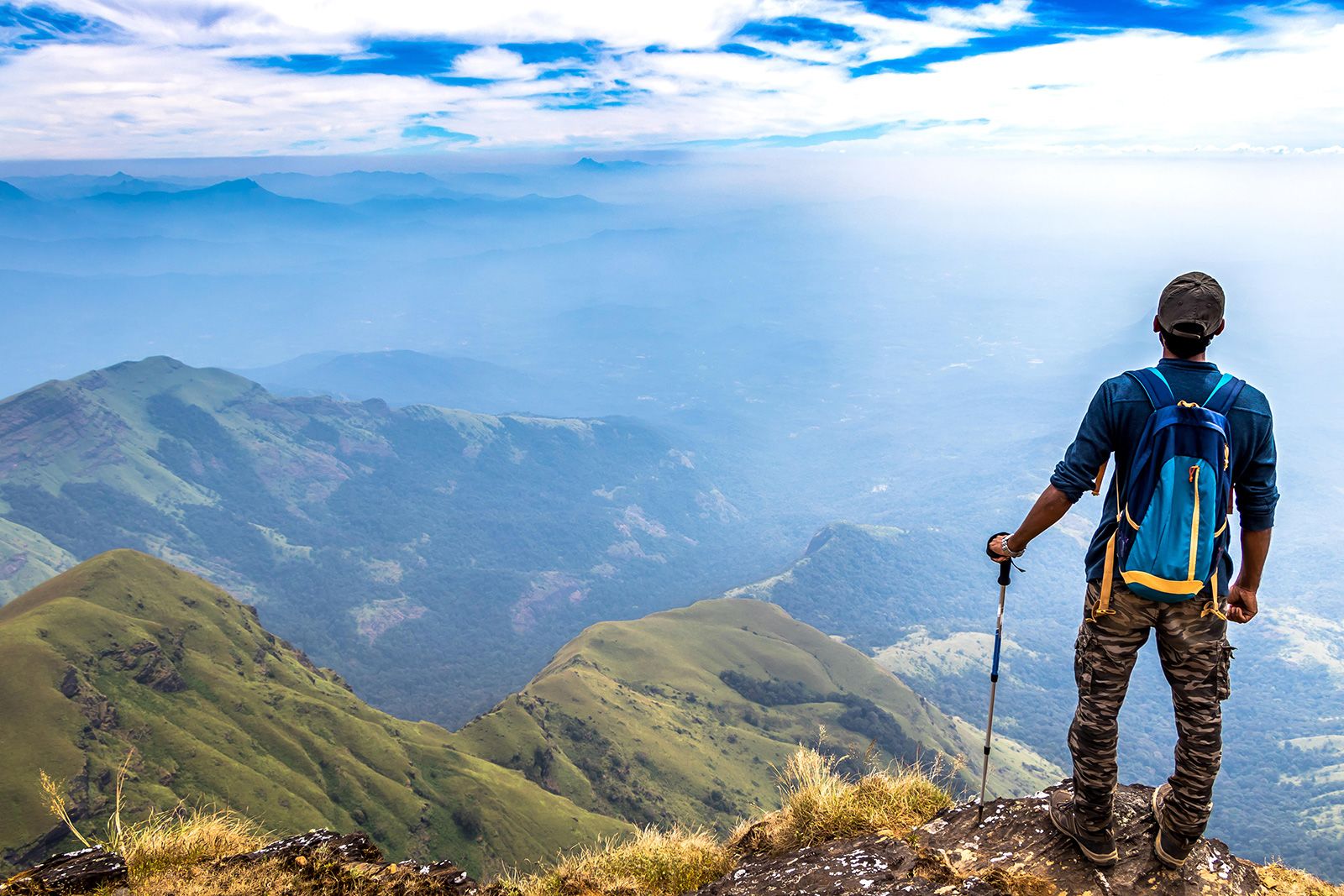
Credit: www.cnn.com
Popular Hiking Destinations
Explore stunning landscapes and diverse trails while hiking in India. Discover breathtaking views in regions like the Himalayas, Western Ghats, and more. Perfect for adventure seekers and nature lovers alike.
Himalayan Trails
The Himalayas offer amazing hiking trails. These trails have beautiful views. Snow-capped peaks are common here. Many trails are challenging. Some trails are easier. Popular trails include Roopkund, Valley of Flowers, and Kedarkantha. Each trail has unique beauty. Trekkers love the fresh air and quiet nature. Safety is important. Always carry the right gear. Hiking in groups is safer.
Western Ghats Routes
The Western Ghats are lush and green. They are a UNESCO World Heritage site. Many trails pass through forests and waterfalls. Popular routes include Kudremukh, Chembra Peak, and Mullayanagiri. These trails are less crowded. The weather is mostly pleasant. Wildlife can be seen on many trails. Carry enough water and snacks. Proper shoes are needed for slippery paths.
Essential Gear For Hikers
Always wear comfortable clothing. Lightweight and breathable fabrics are best. Layering is important for changing weather. Start with a base layer to keep sweat away. Add an insulating layer for warmth. Finish with a waterproof outer layer. Choose sturdy, waterproof boots. Good grip is important. Make sure they fit well. Prevent blisters with good socks. Bring extra pairs. Wet feet are no fun.
Choose a backpack that fits well. It should have padded straps. Look for one with many pockets. This helps with organization. Water bottles are a must. Stay hydrated on the trail. Consider a hydration pack for convenience. First aid kits are important. Include bandages, antiseptic wipes, and pain relief. Carry a map and compass. Know your route. Don’t rely on your phone. Batteries can die. A multitool can be handy for repairs.
Best Time To Hike
The best time to hike in India is October to March. This period offers cool and pleasant weather. The summer months from April to June can be very hot, especially in northern regions. Monsoon season from July to September brings heavy rains. Trekking during this time can be risky due to landslides and slippery trails.
Weather varies greatly across India. In the Himalayas, it’s best to hike in spring and autumn. These seasons offer clear skies and moderate temperatures. Avoid the winter months as heavy snow can block paths. In southern India, the best time for trekking is during the dry season. This is usually from November to February.
Safety Tips
Always carry a first aid kit while hiking. Include bandages, antiseptic wipes, and pain relievers. Pack tweezers and scissors too. These can help with splinters or cuts. A small CPR mask can be useful. Remember, safety comes first.
A map and compass are essential for hiking. Keep them in a waterproof case. A GPS device can also be helpful. Make sure it is charged. A whistle can signal for help. Always know your location. Stay on marked trails.
Cultural Experiences
Meeting local communities in India is a special experience. They welcome hikers with open arms. You can learn their stories and traditions. Each village has a unique culture. You will see their colorful clothes and hear their music. It feels like stepping into another world.
Eating traditional food is a must. Each region has its own dishes. You can try spicy curries, fresh bread, and sweet treats. These meals are often cooked with love. Sharing food with locals can create lasting memories. Do not forget to try some chai tea. It is delicious and warming.
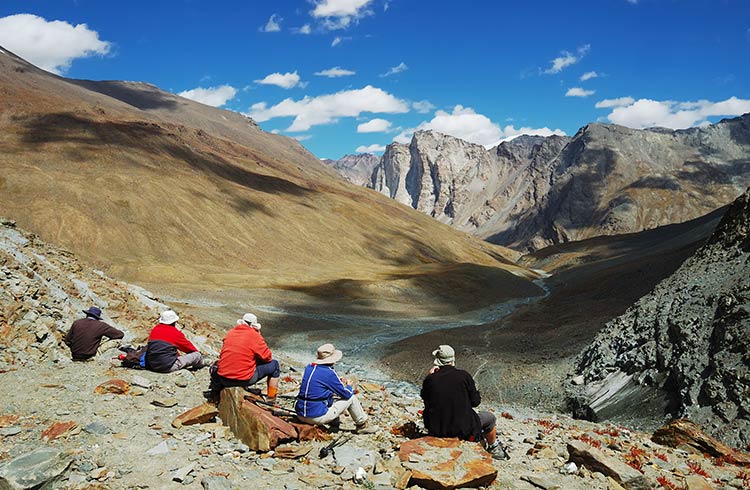
Credit: www.worldnomads.com
Wildlife Encounters
Exploring India’s hiking trails often leads to thrilling wildlife encounters. Majestic tigers, playful monkeys, and vibrant birds await adventurers. Discover nature’s wonders firsthand.
Flora And Fauna
India’s forests are home to amazing plants and animals. You can see tall trees, colorful flowers, and lush green plants. Animals like elephants, tigers, and monkeys roam freely. Birds with bright feathers sing in the trees. Every hike gives a new surprise.
Conservation Efforts
Efforts to protect wildlife are strong in India. Many parks and reserves work hard to save endangered species. Volunteers and rangers help keep the land safe. They stop illegal hunting and protect habitats. Everyone works together for nature.
Physical Preparation
Start with short walks. Gradually increase the distance. Build stamina. Include hill training. Practice carrying a backpack. Keep your body strong and flexible. Stretch before and after. Stay hydrated. Listen to your body.
Consult your doctor. Ensure you are fit for hiking. Check your heart health. Monitor blood pressure. Address any chronic issues. Get a full body check-up. Update your vaccinations. Carry necessary medications. Stay safe on the trail.
Sustainable Hiking Practices
Always pack out all trash. This keeps nature clean. Stay on marked trails. This prevents damage to plants. Respect wildlife. Keep a safe distance. Do not pick flowers or plants. Leave what you find for others to enjoy.
Use reusable water bottles instead of plastic ones. Choose biodegradable soap for washing. Bring reusable containers for snacks. Wear eco-friendly clothing made from natural fibers. Consider solar-powered chargers. This helps reduce battery waste.
:max_bytes(150000):strip_icc()/landscape-of-leh--ladakh--north-of-india-1320270647-290d171ae62a46608bd700fea0549e72.jpg)
Credit: www.tripsavvy.com
Frequently Asked Questions
What Is The Best Hike In India?
The best hike in India is the Chadar Trek in Ladakh. This trek offers stunning frozen river views and a unique adventure.
Which Is The Most Scenic Trek In India?
The Valley of Flowers Trek in Uttarakhand is considered the most scenic trek in India. It offers stunning views of vibrant flowers, lush meadows, and majestic mountains. This trek is perfect for nature lovers and adventure enthusiasts.
How Much Does Trekking Cost In India?
Trekking costs in India range from $15 to $50 per day. Prices depend on the location, duration, and services included.
Which Is The Hiking Capital Of India?
Manali is considered the hiking capital of India. It offers numerous trekking routes and stunning natural beauty.
Conclusion
Hiking in India offers unforgettable experiences. Stunning landscapes, rich culture, and diverse trails await. Discover hidden gems and connect with nature. Each trail tells its own story. Adventure seekers, families, and solo travelers will find joy. Plan your trip and embrace the beauty of Indian hikes.
Enjoy every step and create lasting memories. Happy hiking!

