







 Uncategorized
Embarking on a 16-day Everest Base Camp trek is an unforgettable adventure. It offers breathtaking views and a unique cultural experience.
This trek is a dream for many adventure lovers. It promises not only a physical challenge but also a chance to immerse in the beauty of the Himalayas. Along the way, trekkers will pass through charming villages, cross suspension bridges, and witness the majestic peaks of Everest, Lhotse, and Nuptse.
The journey to the base camp is filled with awe-inspiring landscapes and a sense of accomplishment. This trek is more than just reaching a destination; it’s about the journey, the people you meet, and the memories you create. Ready to explore the Everest Base Camp? Let’s dive in!
Planning Your Trek
The best time to trek is in spring and autumn. Spring is from March to May. Autumn is from September to November. These months offer clear views. The weather is also mild. You can see beautiful flowers in spring. In autumn, you get clear skies.
To trek, you need two permits. The first is the TIMS card. It stands for Trekkers’ Information Management System. The second is the Sagarmatha National Park Permit. Both are easy to get in Kathmandu. Always keep them with you.
Packing List
Bring warm layers for the cold nights. A down jacket is essential. Pack thermal underwear. Carry trekking boots with good grip. Don’t forget woolen socks. A hat and gloves are crucial for warmth. Use a backpack with a rain cover. Sunglasses protect your eyes from the sun. A sleeping bag rated for low temperatures is a must. Trekking poles help with balance. Carry a headlamp for dark paths. Pack first-aid kit with basic supplies. Use sunscreen to avoid burns.
Energy bars are good for snacks. Pack dried fruits for quick energy. Carry instant noodles for easy meals. Bring water purification tablets. A reusable water bottle is eco-friendly. Electrolyte powders help stay hydrated. Trail mix is a great snack. Take tea bags for warmth. Pack nuts for protein. Bring canned foods for easy meals.
Acclimatization Tips
Altitude sickness can spoil your trek. It can make you sick. Drink lots of water. Take your time to climb. Walk slowly and rest often. Eat light meals. Avoid alcohol and smoking. Listen to your body. If feeling sick, stop and rest. Go lower if needed.
Rest days help your body adjust. Spend two days in Namche Bazaar. Explore the area. Go higher during the day, then sleep lower. Spend a day in Dingboche. Walk around and enjoy the views. These days are important for your health. They help prevent sickness.
Credit: www.tourradar.de
Day-by-day Itinerary
The trek starts with a flight to Lukla. From here, the walk begins. The path leads to Phakding. Enjoy the view of the mountains. The next stop is Namche Bazaar. It’s a busy town. Rest here for a day. This helps the body to adjust to the altitude.
Leave Namche Bazaar. Head to Tengboche. This place has a famous monastery. The next stop is Dingboche. The air gets thinner here. Spend a day to get used to the height. Continue to Lobuche. The views get better each day.
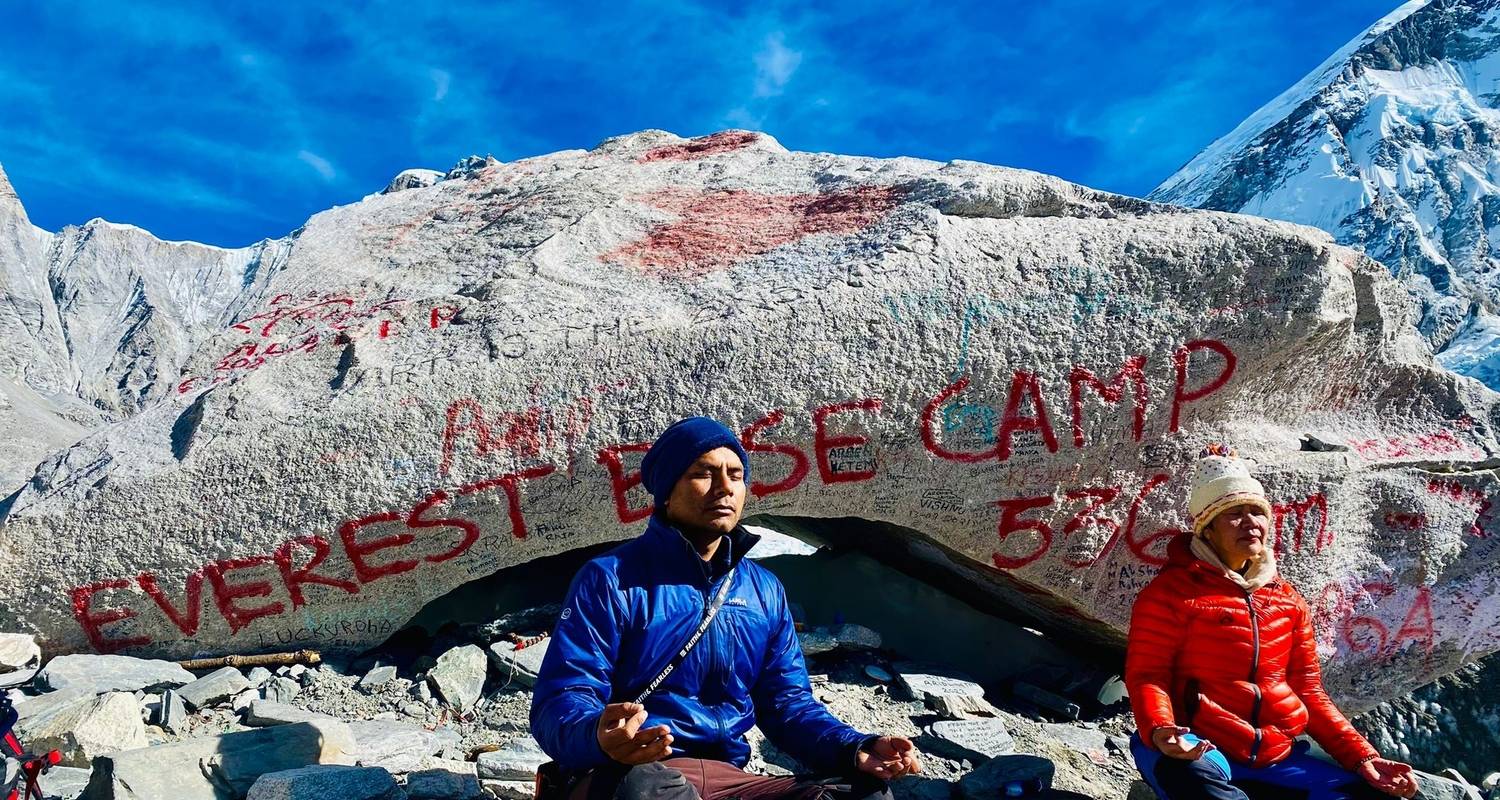
From Lobuche, the trek goes to Gorakshep. This is the last stop before Base Camp. Leave your bags and head to Everest Base Camp. Enjoy the moment. Return to Gorakshep. The next day, climb to Kala Patthar. This offers the best view of Everest. Head back to Pheriche.
The journey back starts. Return to Namche Bazaar. The path is easier now. Continue to Lukla. Spend the night. The final day, fly back to Kathmandu. The trek ends here. The memories will last forever.
Accommodation And Meals
Teahouses and lodges are common along the trek. They provide basic rooms with beds. Sometimes, you may need to share the room. These places are cozy and warm. Some lodges offer hot showers, but many do not. It’s best to bring a warm sleeping bag.
Local food is tasty and filling. Dal Bhat is a popular dish. It’s rice with lentil soup. You will also find momos. These are dumplings filled with meat or vegetables. Some lodges serve Western dishes too. Always drink boiled or treated water. Stay hydrated and enjoy the simple but delicious meals.
Credit: www.trekkingtoeverest.com
Cultural Insights
Sherpas are famous for their climbing skills. They live in the Everest region. Their culture is rich and unique. Family is very important to them. They speak their own language. Sherpas follow Buddhism. They have many festivals. Mani Rimdu is a big one. It lasts for 19 days. They celebrate with dances and prayers.
Respecting elders is a key tradition. They greet with a “Namaste”. Houses have prayer flags. These flags bring good luck. They also have prayer wheels. Spinning them spreads blessings. Yak farming is common. Yaks are used for transport. Sherpas wear traditional clothes. Men wear “Chhuba”. Women wear “Angi”. Their food is simple. They eat “Tsampa” and “Daal Bhat”.
Safety And Health
During the trek, emergencies can happen. Guides carry first aid kits. Always inform your guide if you feel unwell. They can call for help if needed. Helicopter evacuations are available in serious cases. Make sure your insurance covers this. Know the nearest medical facilities on the route.
Stay hydrated by drinking plenty of water. Avoid alcohol and smoking. Eat nutritious meals to keep energy levels up. Be aware of altitude sickness signs like headache and nausea. Rest if symptoms appear. Acclimatize properly by spending extra days at higher altitudes. Always listen to your body.
Capturing The Experience
Always keep your camera within easy reach. The landscape changes often. Be ready to capture sudden moments. Early morning light is best for photos. Colors are more vibrant. Shadows are softer. Use a wide-angle lens for mountain shots. It captures the vastness.
Take close-ups of local life. Faces tell stories. Don’t forget to photograph your fellow trekkers. Their joy adds to the memory. Keep extra batteries warm. Cold drains them fast. Protect your camera from dust and moisture. A simple plastic cover works well.
Write down your thoughts each evening. Fresh memories are best. Note the day’s highlights. Include small details. They bring stories to life later. Take photos of your notes. It’s a backup. Plus, you can share them easily.
Use a GPS app to track your route. It shows your path on a map. Add photos to the map. It makes sharing your trek fun. Record short video clips. They capture sounds and movement. Mix photos and videos later. It creates a richer story.
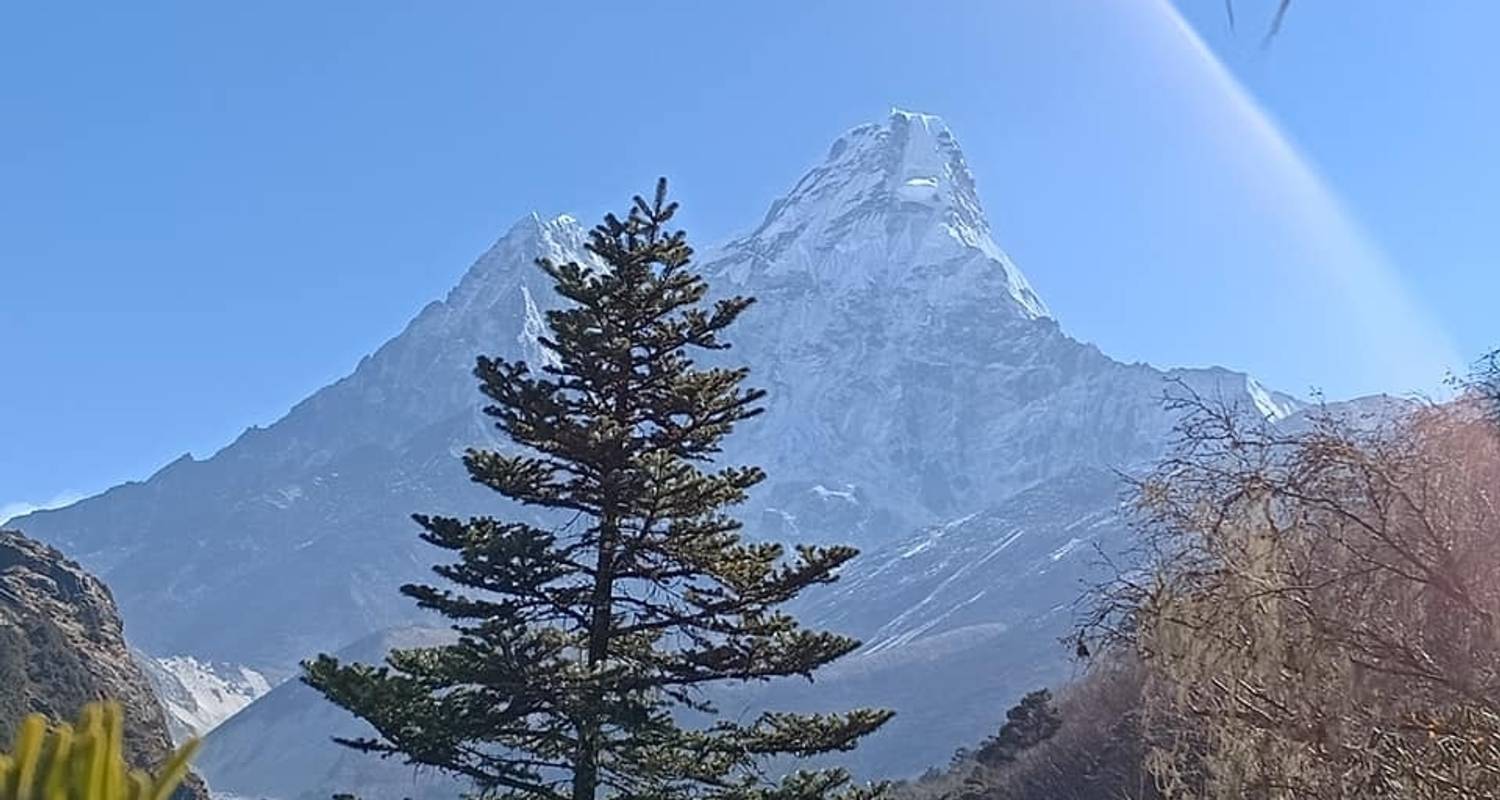
Credit: www.tourradar.de
Frequently Asked Questions
What Is The Shortest Everest Base Camp Trek?
The shortest Everest Base Camp trek takes about 10 days. This includes a round trip from Lukla. The trek is physically demanding but offers stunning views. Proper acclimatization is crucial to prevent altitude sickness.
Why Do Hikers Spend 2 Weeks At Everest Base Camp?
Hikers spend 2 weeks at Everest Base Camp to acclimatize to high altitude. This minimizes risks of altitude sickness and prepares for the summit.
How Much Money Is Needed For Everest Base Camp Trek?
The Everest Base Camp trek costs around $1,200 to $1,500. This includes permits, accommodation, food, and guides. Prices can vary based on the season and services chosen.
Can A Beginner Trek To Everest Base Camp?
Yes, a beginner can trek to Everest Base Camp. Proper preparation and training are essential. Hire a guide for better safety and support.
Conclusion
Embarking on the 16-day Everest Base Camp trek is an unforgettable adventure. You will experience breathtaking views and rich culture. The journey is challenging but incredibly rewarding. Trekkers make lifelong memories on this iconic trail. Prepare well and stay safe.
The beauty of the Himalayas awaits you. Embrace the challenge and enjoy every moment. This trek is perfect for those seeking adventure and natural beauty. Ready for your Everest Base Camp trek? It’s an experience you’ll cherish forever.

